Sustainability Redefined: The Power of Permaculture Design

In an era where environmental sustainability has become an urgent global imperative, a growing movement is redefining the way we think about sustainable living and land management. At the forefront of this movement is permaculture design, a holistic approach that integrates ecological principles, traditional wisdom, and modern innovation to create regenerative systems that benefit both people and the planet.

Permaculture, a term coined by Bill Mollison and David Holmgren in the 1970s, combines the words “permanent” and “agriculture,” reflecting its focus on designing systems that are self-sustaining and enduring. However, permaculture goes beyond agriculture, encompassing a wide range of practices aimed at creating harmonious relationships between humans, ecosystems, and natural resources.

At its core, permaculture design is guided by three ethics: care for the earth, care for people, and fair share (or redistributing surplus). These ethics serve as a foundation for decision-making, shaping the way practitioners approach everything from food production to community development.

One of the key principles of permaculture is observation and interaction. Before implementing any design, permaculturists carefully study the natural patterns and processes of a site, taking into account factors such as climate, topography, soil composition, and biodiversity. By understanding these elements, they can create systems that work in harmony with nature rather than against it.

Another fundamental principle is the idea of using and valuing diversity. Permaculture designs often incorporate a wide variety of plants, animals, and microorganisms to enhance resilience and productivity. This diversity not only provides multiple yields but also helps to mimic the complexity of natural ecosystems, where diversity is essential for stability and health.

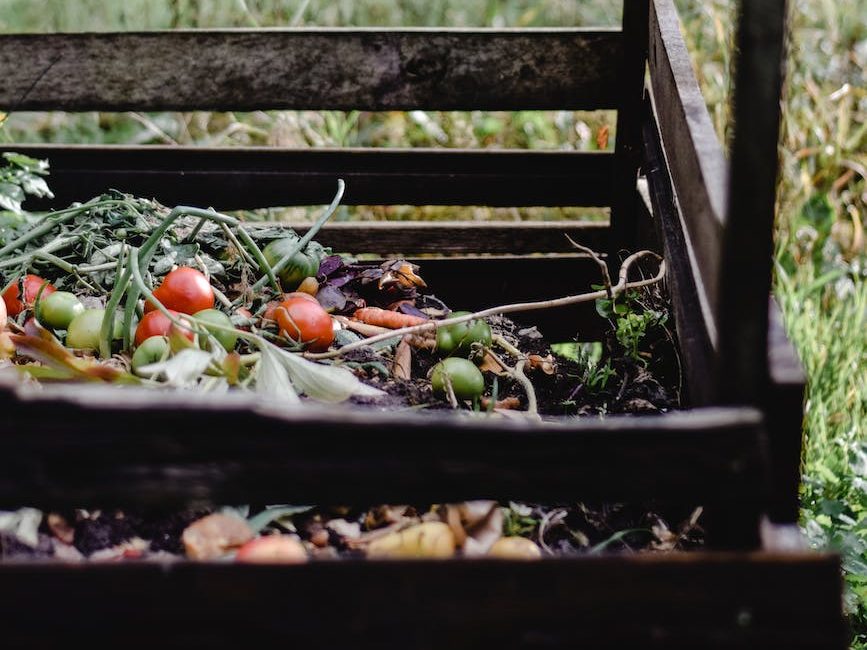
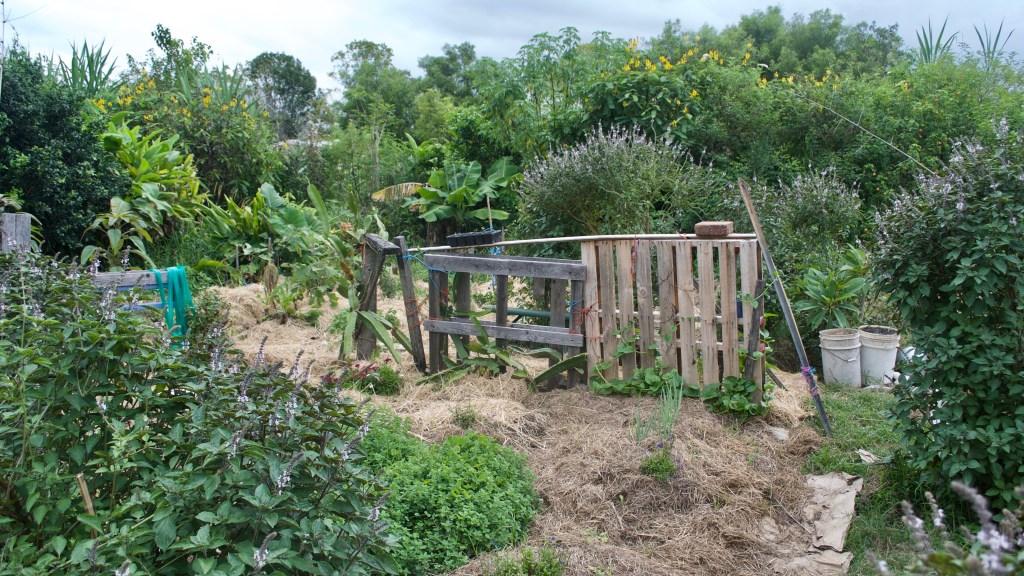
One of the most compelling aspects of permaculture design is its emphasis on closed-loop systems and waste reduction. Rather than viewing waste as a problem, permaculturists see it as a resource to be utilized. Techniques such as composting, water harvesting, and agroforestry allow them to cycle nutrients, conserve water, and minimize external inputs, thereby reducing their ecological footprint.

Furthermore, permaculture design extends beyond individual plots of land to encompass entire landscapes and communities. Through practices like food forests, community gardens, and cooperative housing, permaculturists are creating resilient networks that foster local self-reliance, social cohesion, and economic empowerment.

In a world grappling with environmental degradation, climate change, and social inequity, permaculture offers a beacon of hope. By reimagining our relationship with the land and each other, permaculture design shows us that sustainability is not just about preserving what we have but about actively regenerating and revitalizing the ecosystems that sustain us.

As we face the challenges of the 21st century, the principles and practices of permaculture have never been more relevant or necessary. By embracing the power of permaculture design, we can create a more sustainable, equitable, and resilient world for generations to come.

Easy and Affordable Ways to Make Your Home More Energy Efficient

As the world faces growing environmental challenges, individuals can contribute to the solution by making sustainable choices in their daily lives. One area where everyone can make a difference is in their homes. Energy-efficient homes not only reduce the environmental impact but also lead to cost savings in the long run. Fortunately, making your home more energy-efficient doesn’t have to break the bank. Here are some easy and affordable ways to enhance the energy efficiency of your home.

  1. Seal Leaks and Gaps

Addressing leaks and gaps in your home is a fundamental step toward enhancing energy efficiency – a measure that not only benefits the environment but also yields long-term savings on your utility bills. When your home has drafts, particularly around windows and doors, it becomes susceptible to unwanted temperature fluctuations. In winter, chilly drafts infiltrate, requiring your heating system to work overtime to maintain warmth. Conversely, during the sweltering summer months, warm air can seep in, prompting your cooling system to operate more frequently.

The solution lies in a simple and cost-effective approach: sealing these gaps effectively. Utilizing weatherstripping or caulk can make a significant difference in preventing energy waste. In addition to the immediate impact on your home’s thermal regulation, sealing these gaps also extends the lifespan of your heating and cooling systems. By reducing the strain on these appliances, you not only save money on energy bills but also minimize your overall carbon footprint. This simple step, within the reach of any homeowner, embodies the concept that small changes can lead to substantial benefits – for both your pocket and the planet.

  1. Upgrade to LED Bulbs

Traditional incandescent bulbs are not only energy inefficient but also have a shorter lifespan. By switching to LED bulbs, you can save both energy and money. LED bulbs are more energy-efficient, last longer, and produce less heat, making them an excellent choice for lighting your home.

  1. Install a Programmable Thermostat

A programmable thermostat allows you to regulate your home’s temperature based on your schedule, reducing energy consumption when you’re away or asleep. While some smart thermostats can be pricey, basic programmable models are affordable and relatively easy to install. They can help you optimize your heating and cooling systems for efficiency.

  1. Use Energy-Efficient Appliances

When it’s time to replace appliances, consider investing in energy-efficient models. Appliances with the ENERGY STAR label meet strict efficiency guidelines set by the U.S. Environmental Protection Agency. While the initial cost might be slightly higher, the long-term savings on your utility bills will make it a worthwhile investment.

  1. Unplug Electronics When Not in Use

Many electronic devices continue to draw power even when turned off, contributing to “phantom” or “vampire” energy consumption. Unplug chargers, computers, and other electronics when not in use, or use smart power strips that automatically cut power to devices when they are turned off.

  1. Insulate Your Home

Proper insulation is essential for maintaining a comfortable temperature in your home while reducing the workload on your heating and cooling systems. While a full insulation retrofit can be a significant investment, there are affordable options, such as weatherstripping for doors and windows or adding insulation to the attic.

  1. Maximize Natural Light

Maximizing natural light in your home is not only a strategy for energy efficiency but also a transformative way to create a brighter, more inviting living space. During daylight hours, harnessing the power of sunlight can significantly reduce your reliance on artificial lighting, leading to energy savings and a more sustainable lifestyle.

Opening curtains and blinds allows the sun’s rays to permeate your living spaces. This simple action not only brightens rooms but also imparts a sense of warmth and connection to the outdoors. Sunlight is known to elevate mood and create a positive atmosphere, making your home a more pleasant place to reside.

As you explore ways to bring more natural light into your home, consider the eco-friendly option of installing solar tubes. These cylindrical devices are designed to capture and channel sunlight from the roof to interior spaces, even in areas where traditional windows may not be practical. Solar tubes are particularly effective in spaces like hallways, bathrooms, or closets, where additional natural light can make a substantial difference.

  1. Plant Shade Trees and Install Awnings

Strategic landscaping can contribute to energy efficiency. Planting shade trees or installing awnings can help block the sun’s rays, reducing the heat that enters your home during the summer months. This, in turn, can decrease your reliance on air conditioning.

Creating a more energy-efficient home doesn’t have to be a costly endeavor. By adopting these affordable and straightforward measures, you can contribute to a greener planet while enjoying long-term savings on your energy bills. Small changes add up, and collectively, the choices we make in our homes can have a positive impact on the environment and our wallets. Embrace these sustainable practices and take a step towards a more energy-efficient and eco-friendly lifestyle.

Tiny Garden, Big Harvest: Master the Art of Permaculture in Compact Gardens!

In the bustling urban landscape where space is a premium commodity, the dream of growing your own fresh, organic vegetables may seem like a distant reality. However, with the principles of permaculture, even the smallest of spaces can be transformed into thriving, sustainable gardens. Permaculture, derived from “permanent agriculture” or “permanent culture,” emphasizes working with natural ecosystems to create harmonious and self-sustaining environments. In this article, we’ll explore how to design a permaculture vegetable garden specifically tailored for small spaces, proving that even the tiniest urban nook can yield an abundance of nutrient-rich produce.

Discover the art of permaculture gardening in small spaces as we unveil practical tips and creative strategies to transform your urban nook into a lush, sustainable oasis bursting with fresh, homegrown produce.
  1. Embrace Vertical Gardening:

In limited spaces, thinking vertically can significantly maximize your gardening potential. Utilize walls, fences, and trellises to grow climbing vegetables such as beans, peas, and cucumbers. Vertical gardening not only makes the most of your available space but also enhances air circulation, reducing the risk of diseases.

  1. Companion Planting for Space Optimization:

Permaculture principles highlight the importance of companion planting, a practice where certain plants benefit each other when grown in close proximity. Strategically pairing plants that complement each other in terms of growth habits, nutrient uptake, and pest control can create a thriving ecosystem in your small garden. For example, planting tomatoes with basil or marigolds can enhance flavor and deter pests.

  1. Designing with Zones:

In permaculture design, zones are areas organized by frequency of use and accessibility. By incorporating this concept into your small-space garden, you can efficiently allocate resources and design elements. Place frequently used and high-maintenance plants closer to your home for easy access, while less-tended plants can be located further away.

  1. Integrate Perennial Edibles:

Incorporating perennial vegetables into your garden can be a game-changer for small spaces. Perennials, such as asparagus, artichokes, and rhubarb, provide a consistent harvest year after year without the need for replanting. This not only saves space but also contributes to the overall sustainability of your garden.

  1. Utilize Container Gardening:

Containers are a small-space gardener’s best friend. From repurposed containers to specially designed pots, they offer flexibility and mobility. Growing herbs, salad greens, and even compact fruit varieties in containers allows you to optimize sunlight exposure and easily rearrange your garden layout.

  1. Implement Water Conservation Techniques:

Water efficiency is crucial in any garden, especially in small spaces. Incorporate techniques like rainwater harvesting, mulching, and drip irrigation to minimize water wastage. Permaculture emphasizes the importance of working with nature, and efficient water use is a fundamental aspect of sustainable gardening.

Here are a couple of practical steps to make a small garden a reality:

  1. Assess Your Space:
    • Take a close look at the available space. Consider factors such as sunlight exposure, wind patterns, and existing structures. Identify any potential challenges, like poor drainage or limited sunlight, and find ways to address them.
  2. Set Clear Goals:
    • Define your gardening goals. Are you looking to grow vegetables, herbs, flowers, or a combination of these? Knowing your objectives will help you make informed decisions about plant selection, layout, and maintenance.
  3. Choose the Right Plants:
    • Opt for plants that suit your space and climate. For small gardens, consider compact or dwarf varieties of vegetables and fruits. Herbs and flowers can also thrive in confined spaces. Look for plants that offer multiple benefits, such as those with edible leaves or flowers.
  4. Plan Your Layout:
    • Sketch out a simple layout for your garden. Consider using raised beds, containers, or vertical structures to maximize space. Group plants with similar water and sunlight needs together. This not only makes maintenance easier but also promotes better growth.
  5. Utilize Vertical Space:
    • Remember to take advantage of vertical gardening techniques to maximize your space. Install wall-mounted planters, hanging baskets, or trellises for climbing plants. This not only adds visual interest but also expands your growing area.
  6. Container Gardening:
    • If you have limited ground space, container gardening is a fantastic solution. Use pots, planters, or even repurposed containers to grow your plants. This approach allows you to easily move plants around to optimize sunlight and experiment with different layouts.
  7. Soil Preparation:
    • Invest time in preparing quality soil. Use a well-balanced potting mix for container gardening or enhance your garden soil with organic matter. Good soil health is crucial for plant growth, and it also improves water retention and drainage.
  8. Watering System:
    • Establish an efficient watering system. Consider using drip irrigation, soaker hoses, or even self-watering containers to conserve water and ensure that your plants receive consistent moisture. Also, remember that mulch is your friend!
  9. Start Small and Expand:
    • If you’re new to gardening or working with a particularly small space, start with a manageable area. As you gain experience and confidence, you can gradually expand your garden. This approach helps you learn about the specific needs of your plants without feeling overwhelmed.
  10. Regular Maintenance:
    • Dedicate time for regular maintenance tasks such as weeding, pruning, and fertilizing. Small gardens can quickly become overcrowded, so staying on top of these tasks ensures a healthy and productive space.

Remember, the key to success is to start small, stay adaptable, and enjoy the process. Gardening is a journey that unfolds over time, and with patience and dedication, you’ll transform your small space into a flourishing garden oasis.

Designing a permaculture vegetable garden for small spaces is not just a practical solution; it’s a creative and fulfilling endeavor. By embracing vertical gardening, companion planting, strategic zoning, perennial edibles, container gardening, and water conservation, you can transform your limited space into a thriving oasis of fresh, organic produce. With permaculture principles as your guide, the possibilities for cultivating abundance in even the smallest spaces are endless. So, roll up your sleeves, grab your gardening tools, and embark on a journey to create a sustainable, edible haven right in the heart of your urban environment.

Unveiling the Hidden Dangers: Glyphosate and Roundup Health Risks

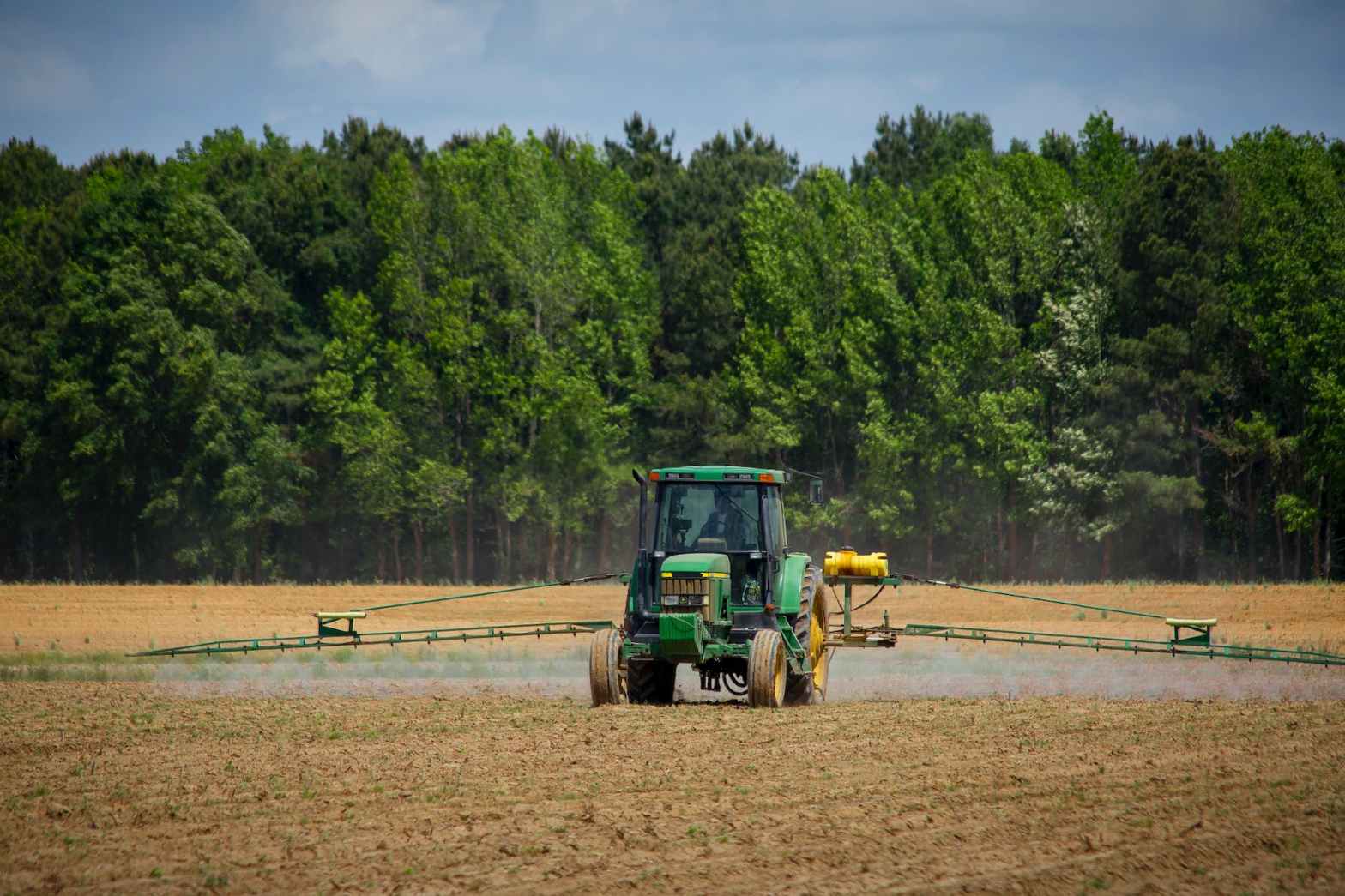
In the realm of modern agriculture, the herbicide glyphosate and its most popular formulation, Roundup, have become pervasive tools for farmers worldwide. Marketed as efficient and environmentally friendly, these products have revolutionized weed control. However, recent scientific evidence is shedding light on the potential health risks associated with glyphosate and Roundup, raising concerns about their impact on human well-being.

Glyphosate and Roundup: A Brief Overview:

Glyphosate, a broad-spectrum herbicide, was first introduced by Monsanto in the 1970s and gained popularity with the release of Roundup in the 1970s. The herbicide works by inhibiting an enzyme crucial to plant growth, ultimately leading to the death of unwanted vegetation. The ease of use and effectiveness made Roundup the go-to solution for weed control in agriculture, landscaping, and even home gardening.

Photo by Marc Onana on Pexels.com

Health Concerns:

  1. Carcinogenicity: One of the most significant controversies surrounding glyphosate is its potential link to cancer. In 2015, the International Agency for Research on Cancer (IARC), a branch of the World Health Organization (WHO), classified glyphosate as a Group 2A probable human carcinogen. This classification ignited a storm of debate and spurred further research into the herbicide’s long-term effects on human health.
  2. Endocrine Disruption: Research suggests that glyphosate may disrupt the endocrine system, which regulates hormones critical for normal growth, development, and overall health. Endocrine disruption has been associated with a range of health issues, including reproductive problems, developmental delays, and hormonal imbalances.
  3. Genotoxicity: Some studies indicate that glyphosate and Roundup may possess genotoxic properties, potentially causing damage to the genetic material within cells. This raises concerns about the long-term consequences, including an increased risk of genetic mutations and, subsequently, the development of various health conditions.
  4. Impact on the Gut Microbiome: Glyphosate’s pervasive use in agriculture has led to its detection in various food products. Recent studies have suggested that glyphosate may negatively impact the gut microbiome, the collection of trillions of microorganisms that play a crucial role in digestion, immunity, and overall well-being. Disruptions to the gut microbiome have been linked to a range of health issues, including inflammatory bowel diseases and metabolic disorders.

In light of the growing concerns, several countries and municipalities have taken regulatory actions. Some have banned or restricted the use of glyphosate, while others have imposed tighter regulations on its application. Despite these measures, glyphosate continues to be widely used, necessitating ongoing research and public awareness.

Embracing Eco-Friendly Alternatives: A Shift Towards Healthier Agricultural Practices

As concerns surrounding the health risks associated with glyphosate and Roundup continue to escalate, the spotlight is turning towards eco-friendly alternatives that prioritize both the health of consumers and the environment. Sustainable agriculture practices offer a promising path forward, reducing reliance on chemical herbicides like glyphosate. Here are some noteworthy alternatives:

  1. Mechanical Weed Control: Implementing mechanical methods, such as mulching, and mowing, can effectively manage weed growth without resorting to chemical interventions. These methods not only help control unwanted vegetation but also promote soil health and biodiversity.
  2. Organic Farming Practices: The organic farming movement emphasizes the use of natural alternatives, eschewing synthetic chemicals. Organic farmers employ techniques like crop rotation, cover cropping, and companion planting to naturally suppress weed growth, maintaining soil fertility without compromising human health.
  3. Cover Crops: Planting cover crops, such as legumes and grasses, can naturally suppress weed growth by outcompeting them for resources. Cover crops also enhance soil structure, fertility, and water retention, contributing to overall agricultural sustainability.
  4. Natural Herbicides: Some natural substances, like acetic acid (found in vinegar), citrus oils, and plant-derived essential oils, exhibit herbicidal properties. While their effectiveness may vary, these substances offer a greener alternative for weed control.
  5. Weed-Suppressing Ground Covers: Planting ground covers that naturally suppress weed growth, such as certain varieties of clover or low-growing herbs, provides an eco-friendly solution to weed control. These plants create a natural barrier, reducing the need for synthetic herbicides.

By embracing these eco-friendly alternatives, farmers can foster a more sustainable and resilient agricultural system. Consumers, in turn, play a crucial role in supporting these practices by choosing products that adhere to environmentally conscious farming methods. Through a collective effort, we can cultivate a healthier, more sustainable future for agriculture—one that prioritizes human well-being and the preservation of our planet’s precious ecosystems.

Check out this page for more information!

Nourishing Gardens Naturally: Debunking the Fertilizer Myth and Embracing Sustainable Alternatives

There exists a pervasive misconception that lush and vibrant plants can only thrive with the help of synthetic fertilizers. However, a closer look at nature’s intricate balance reveals that most gardens inherently possess an abundance of nutrients, rendering artificial fertilizers unnecessary. In fact, relying on these chemicals can disrupt the delicate ecosystem of soil life. This article aims to shed light on why many gardens don’t lack nutrients and explore sustainable alternatives that promote a healthy soil life ecosystem.

Photo by Dominika Roseclay on Pexels.com

The Nutrient-Rich Soil Myth

Contrary to popular belief, the soil in most gardens is not inherently lacking in nutrients. Mother Nature has developed an intricate system where organic matter, decomposed plant material, and microbial activity work together to create a nutrient-rich environment. In healthy soils, the natural decomposition of plant debris, the activity of beneficial microorganisms, and the presence of earthworms contribute to a self-sustaining cycle of nutrient availability.

The Downside of Synthetic Fertilizers

Photo by Antony Trivet on Pexels.com


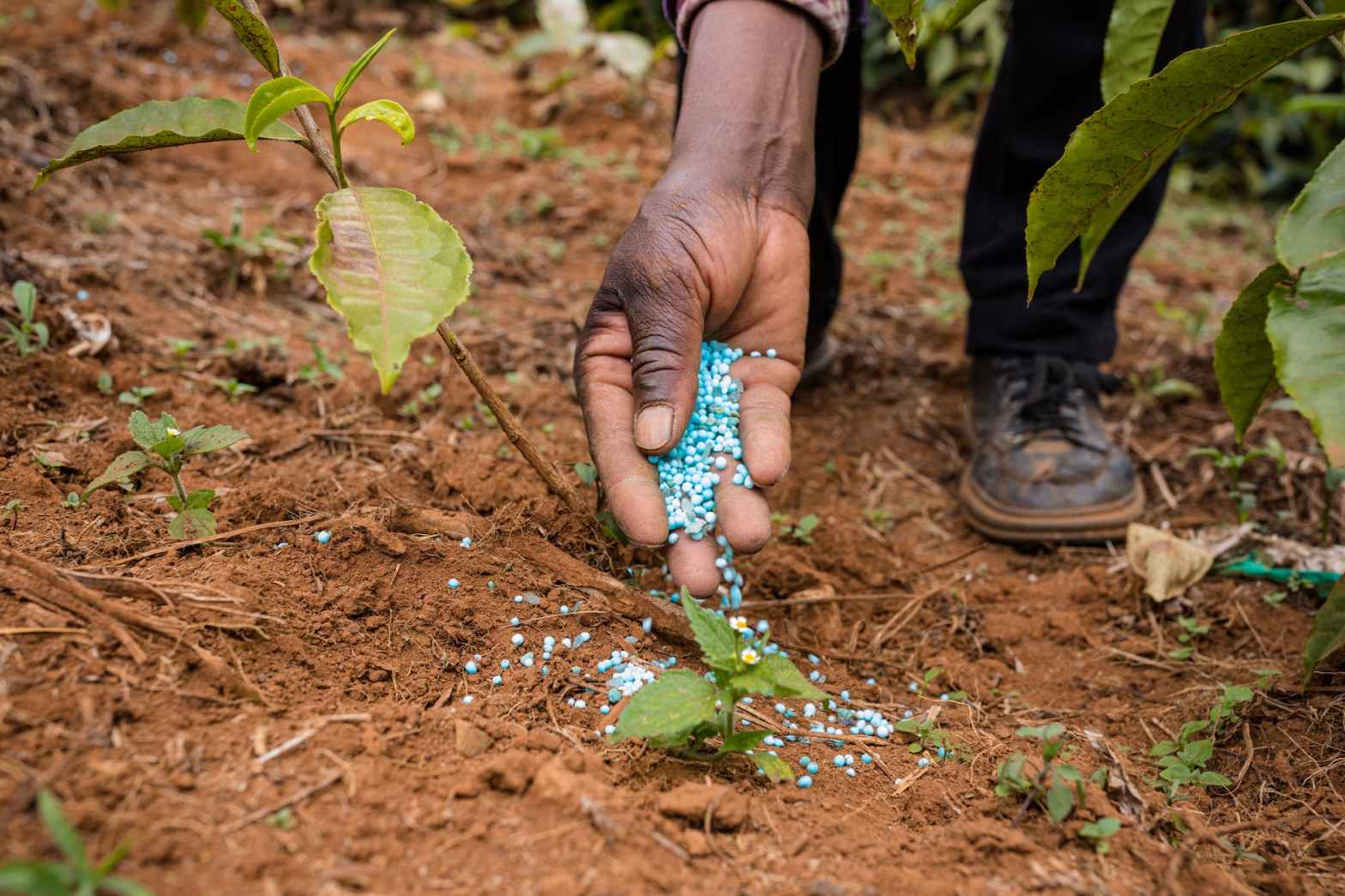
The use of chemical fertilizers, while providing a quick infusion of essential nutrients to plants, comes with a host of downsides that can have long-term detrimental effects on both soil health and the broader environment. Understanding these drawbacks is crucial for gardeners and agricultural practitioners seeking sustainable and ecologically sound alternatives.

  1. Disruption of Soil Microbial Activity: One of the primary drawbacks of chemical fertilizers is their negative impact on soil microbial life. These fertilizers often contain high levels of salts, which can be harmful to the beneficial microorganisms essential for nutrient cycling and plant health. Over time, the disruption of microbial communities can lead to a decrease in soil fertility, compaction, and impaired water retention.
  2. Soil Acidification: Many chemical fertilizers, especially those containing ammonium-based nitrogen, contribute to soil acidification. The acidifying effect can alter the pH of the soil, making it less hospitable for certain plant species and beneficial soil organisms. Soil pH imbalance can hinder nutrient uptake by plants and contribute to the degradation of soil structure.
  3. Erosion and Runoff: Chemical fertilizers are soluble and can be easily washed away by rain or irrigation, leading to nutrient runoff. This runoff poses a serious environmental threat as it can contaminate water bodies, causing nutrient imbalances and contributing to issues like algal blooms. The runoff of chemicals into water sources can harm aquatic ecosystems and compromise water quality.
  4. Environmental Pollution: The production, transportation, and application of chemical fertilizers contribute to environmental pollution. The manufacturing process often involves the use of energy-intensive methods, and the release of greenhouse gases during production contributes to climate change. Additionally, the runoff of fertilizers into water bodies can lead to nutrient pollution, negatively impacting ecosystems and aquatic life.
  5. Soil Compaction: Continuous reliance on chemical fertilizers without complementary organic matter can lead to soil compaction. This reduction in soil porosity limits water infiltration and root growth, making it more challenging for plants to access water and nutrients. Healthy soils with a diverse array of organic matter, on the other hand, maintain better structure and aeration.
  6. Reduced Plant Resilience: Plants grown with excessive chemical fertilizers may become dependent on these external inputs. This dependency can make them more vulnerable to environmental stressors, such as drought or pest infestations, as they may lack the natural resilience and adaptability that comes from a well-balanced, diverse soil ecosystem.
  7. Long-Term Soil Degradation: The continued use of chemical fertilizers without a holistic approach to soil management can lead to long-term degradation of soil health. As soil fertility declines and microbial diversity decreases, the need for even higher doses of fertilizers may arise, creating a cycle of diminishing returns and escalating environmental impact.

In light of these downsides, there is a growing emphasis on transitioning towards sustainable and regenerative agricultural practices that prioritize soil health, biodiversity, and long-term ecological balance. Methods such as organic farming, permaculture, and agroecology offer viable alternatives that nourish the soil without compromising environmental integrity.

Promoting a Healthy Soil Life Ecosystem:

Photo by Eva Bronzini on Pexels.com
  1. Composting: Embracing composting is one of the most effective ways to enhance soil fertility naturally. Compost, made from kitchen scraps, yard waste, and other organic materials, is rich in nutrients and acts as a slow-release fertilizer. It also helps improve soil structure, water retention, and provides a habitat for beneficial microbes.
  2. Cover Cropping: Cover crops, such as legumes and clover, play a crucial role in maintaining soil health. They prevent erosion, suppress weeds, and, through a process called nitrogen fixation, add essential nutrients like nitrogen back into the soil. Cover cropping is a sustainable practice that promotes biodiversity and supports the overall health of the garden ecosystem.
  3. Mulching: Mulching not only conserves moisture and suppresses weeds but also contributes to soil fertility. Organic mulches, such as straw or wood chips, gradually break down, releasing nutrients into the soil. Additionally, mulch provides a favorable environment for beneficial insects and microorganisms.
  4. Crop Rotation: Regularly rotating crops helps prevent nutrient depletion in the soil. Different plants have varying nutrient requirements, and rotating them helps maintain a balanced nutrient profile in the soil, reducing the need for external inputs.
  5. Natural Amendments: Utilizing natural amendments like bone meal, kelp meal, and rock dust can supplement soil nutrients without the negative impacts associated with synthetic fertilizers. These amendments release nutrients slowly, providing a steady and sustained nourishment to plants.

The myth that most gardens lack essential nutrients is debunked by the intricate and self-sustaining soil ecosystems that exist in nature. By adopting sustainable practices like composting, cover cropping, mulching, crop rotation, and natural amendments, gardeners can work with the inherent fertility of their soil, fostering a thriving and resilient ecosystem. It’s time to shift away from the reliance on synthetic fertilizers and embrace methods that promote long-term soil health, environmental sustainability, and bountiful harvests.

Permaculture Your Life

When it comes to creating a sustainable and fulfilling life, permaculture principles offer a holistic approach to understanding our needs and how to meet them in an ethical and efficient way. One of the key tools in permaculture design is the needs and yields analysis, which can be applied to any area of your life to bring balance and abundance.

But what exactly is a needs and yields analysis? Simply put, it’s a process of identifying what resources (or “yields”) are needed to meet specific goals or needs (or “inputs”). By understanding the relationship between these two elements, we can make more informed decisions about how to allocate our time, energy, and resources in a way that supports our well-being and the well-being of the earth.

For example, let’s say you’re trying to create a more sustainable home. A needs and yields analysis would involve identifying the inputs (or needs) that are essential for your comfort and well-being, such as clean air, natural light, and a stable temperature. Then, you would look at the yields (or resources) that are necessary to meet those needs, such as energy efficient appliances, solar panels, and insulation. By understanding the relationship between these inputs and outputs, you can design a home that meets your needs in a way that also supports the earth’s resources.

This same process can be applied to other areas of your life as well. For example, in the area of relationships, you might identify the need for connection and communication as inputs, and then look at the yields (or resources) necessary to meet those needs, such as setting aside regular time for conversations or practicing active listening.

The beauty of permaculture principles is that they can be applied in any area of your life. Whether you’re looking to create a more sustainable home, improve your relationships, or build a successful business, a needs and yields analysis can help you make decisions that align with your values and support your overall well-being.

So, next time you’re feeling overwhelmed or stuck in any area of your life, try taking a step back and conducting a needs and yields analysis. You might be surprised at how this simple tool can bring balance and abundance to every aspect of your life.

How to adapt your garden and landscape to a changing climate

Are you tired of watching your beloved garden wilt under the scorching sun or drown in heavy rains? Are you worried about how climate change will affect your landscaping in the future? Don’t despair, because permaculture is here to save the day!

Permaculture is a holistic approach to gardening and landscaping that is designed to work with nature, rather than against it. By incorporating permaculture principles into your garden and landscape, you can not only make them more resilient to the effects of climate change but also create a thriving ecosystem that benefits both you and the environment.

Photo by Gary Barnes

One of the key principles of permaculture is “observe and interact.” This means that you should take the time to closely observe the natural patterns and processes in your garden and landscape, and then design your gardening and landscaping strategies accordingly. For example, if you live in an area that is prone to drought, you might want to focus on planting drought-tolerant native plants and incorporating rainwater harvesting techniques into your garden.

Another important principle of permaculture is “integrate, rather than segregate.” This means that you should strive to create a diverse and interdependent ecosystem in your garden and landscape, rather than isolating different elements from one another. For example, instead of planting a monoculture of annual vegetables in one corner of your yard, you might want to incorporate a variety of perennial plants, such as fruit trees and berry bushes, that provide food and habitat for beneficial insects and wildlife.

Permaculture also emphasizes the importance of “working with, rather than against nature.” This means that you should strive to use natural processes to your advantage, rather than trying to control or manipulate them. For example, instead of using chemical fertilizers and pesticides in your garden, you might want to try using natural methods of pest control, such as companion planting and beneficial insects.

By incorporating these and other permaculture principles into your garden and landscape, you can create a resilient and thriving ecosystem that is well-suited to the challenges of a changing climate. So, don’t let climate change get you down! Instead, embrace the power of permaculture to create a beautiful and sustainable garden and landscape that will stand the test of time.

What is Permaculture?

Permaculture is a holistic approach to designing sustainable systems that mimic the patterns and relationships found in nature. It offers a framework for understanding how to meet our needs while also regenerating the earth and its resources.

Permaculture is a combination of the words “permanent” and “agriculture,” but it encompasses much more than just farming. It is a design philosophy that can be applied to any aspect of our lives, including food production, housing, energy, water management, and community building.

“The conscious design and maintenance of agriculturally productive ecosystems which have the diversity, stability, and resilience of natural ecosystems.”

— Bill Mollison

Permaculture is based on three core ethics: care for the earth, care for people, and fair share. These ethics guide the design process and inform the decision-making process. The goal is to create systems that are not only sustainable but regenerative, meaning they improve the overall health and productivity of the ecosystem.

One of the key principles of permaculture is working with, rather than against, nature. This means observing natural systems and patterns and designing our systems to mimic and enhance them. For example, in a permaculture garden, we would plant companion plants that benefit each other, rather than using chemical pesticides. We would also design the garden to capture and store water, rather than relying on irrigation.

“Consciously designed ecosystems, which mimic patterns and relationships found in nature, while yielding an abundance of food, fiber, and energy for provision of local needs.”

— David Holmgren

Another important principle is diversity. In permaculture, we strive to create systems that are diverse and resilient. This means planting a variety of crops, rather than monoculture, and incorporating different elements, such as animals, into the system. A diversity of species means a diversity of functions, which helps to build a resilient ecosystem.

Permaculture also stresses the importance of using and valuing local resources. This means using local materials and local knowledge to design and implement systems. By valuing local resources, we can create systems that are not only sustainable but also have a strong cultural connection.

Permaculture is not just about gardening or farming, it’s about creating sustainable systems in all aspects of our lives. It’s about designing our homes, communities, and businesses to be in harmony with nature. It’s about creating systems that not only meet our needs but also enhance the earth and its resources. Permaculture is about creating a sustainable future for all.