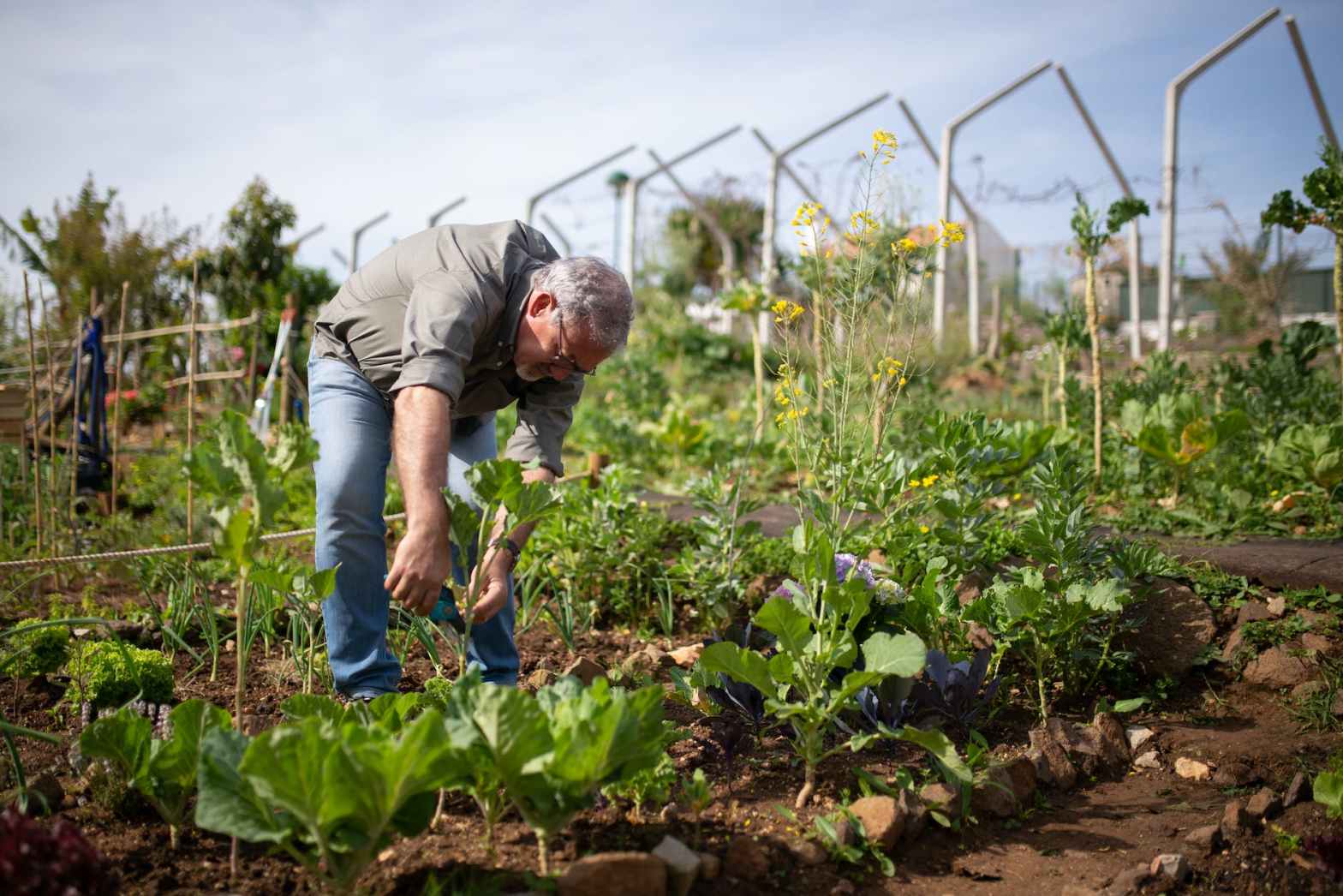
In an era where environmental sustainability has become an urgent global imperative, a growing movement is redefining the way we think about sustainable living and land management. At the forefront of this movement is permaculture design, a holistic approach that integrates ecological principles, traditional wisdom, and modern innovation to create regenerative systems that benefit both people and the planet.
Permaculture, a term coined by Bill Mollison and David Holmgren in the 1970s, combines the words “permanent” and “agriculture,” reflecting its focus on designing systems that are self-sustaining and enduring. However, permaculture goes beyond agriculture, encompassing a wide range of practices aimed at creating harmonious relationships between humans, ecosystems, and natural resources.

At its core, permaculture design is guided by three ethics: care for the earth, care for people, and fair share (or redistributing surplus). These ethics serve as a foundation for decision-making, shaping the way practitioners approach everything from food production to community development.
One of the key principles of permaculture is observation and interaction. Before implementing any design, permaculturists carefully study the natural patterns and processes of a site, taking into account factors such as climate, topography, soil composition, and biodiversity. By understanding these elements, they can create systems that work in harmony with nature rather than against it.
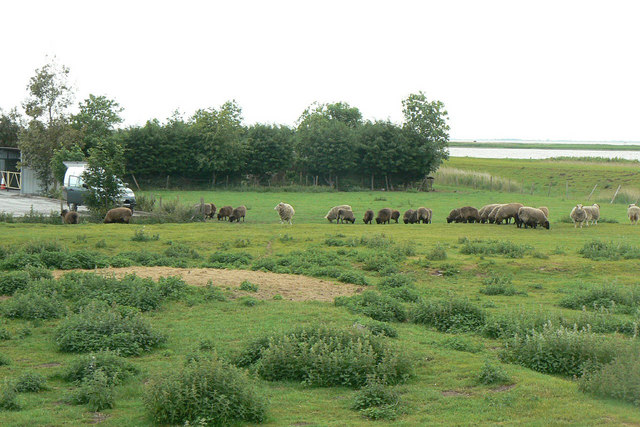
Another fundamental principle is the idea of using and valuing diversity. Permaculture designs often incorporate a wide variety of plants, animals, and microorganisms to enhance resilience and productivity. This diversity not only provides multiple yields but also helps to mimic the complexity of natural ecosystems, where diversity is essential for stability and health.
One of the most compelling aspects of permaculture design is its emphasis on closed-loop systems and waste reduction. Rather than viewing waste as a problem, permaculturists see it as a resource to be utilized. Techniques such as composting, water harvesting, and agroforestry allow them to cycle nutrients, conserve water, and minimize external inputs, thereby reducing their ecological footprint.
Furthermore, permaculture design extends beyond individual plots of land to encompass entire landscapes and communities. Through practices like food forests, community gardens, and cooperative housing, permaculturists are creating resilient networks that foster local self-reliance, social cohesion, and economic empowerment.
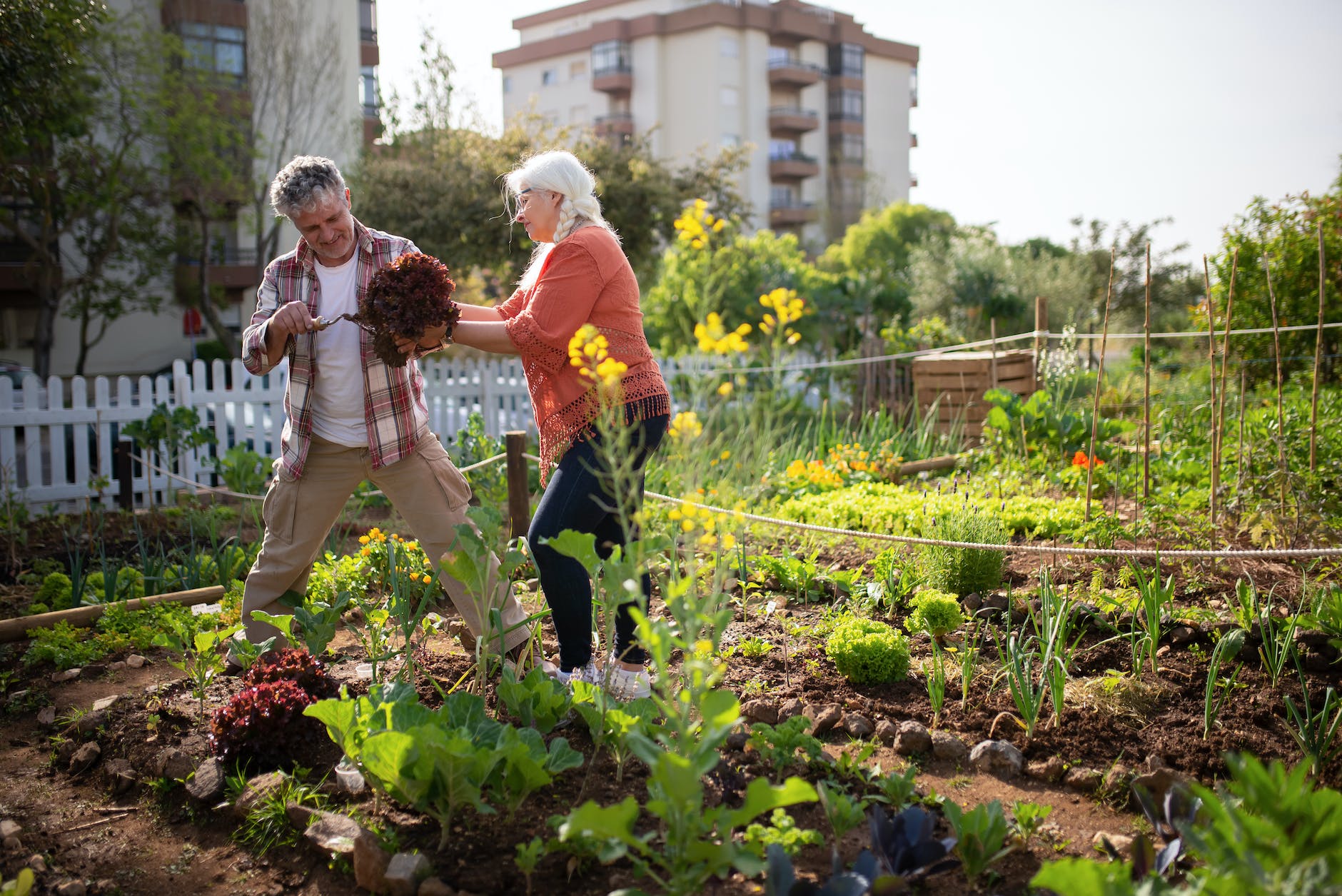
In a world grappling with environmental degradation, climate change, and social inequity, permaculture offers a beacon of hope. By reimagining our relationship with the land and each other, permaculture design shows us that sustainability is not just about preserving what we have but about actively regenerating and revitalizing the ecosystems that sustain us.
As we face the challenges of the 21st century, the principles and practices of permaculture have never been more relevant or necessary. By embracing the power of permaculture design, we can create a more sustainable, equitable, and resilient world for generations to come.
 EarthWise Permaculture