As the world faces growing environmental challenges, individuals can contribute to the solution by making sustainable choices in their daily lives. One area where everyone can make a difference is in their homes. Energy-efficient homes not only reduce the environmental impact but also lead to cost savings in the long run. Fortunately, making your home more energy-efficient doesn’t have to break the bank. Here are some easy and affordable ways to enhance the energy efficiency of your home.
- Seal Leaks and Gaps
Addressing leaks and gaps in your home is a fundamental step toward enhancing energy efficiency – a measure that not only benefits the environment but also yields long-term savings on your utility bills. When your home has drafts, particularly around windows and doors, it becomes susceptible to unwanted temperature fluctuations. In winter, chilly drafts infiltrate, requiring your heating system to work overtime to maintain warmth. Conversely, during the sweltering summer months, warm air can seep in, prompting your cooling system to operate more frequently.
The solution lies in a simple and cost-effective approach: sealing these gaps effectively. Utilizing weatherstripping or caulk can make a significant difference in preventing energy waste. In addition to the immediate impact on your home’s thermal regulation, sealing these gaps also extends the lifespan of your heating and cooling systems. By reducing the strain on these appliances, you not only save money on energy bills but also minimize your overall carbon footprint. This simple step, within the reach of any homeowner, embodies the concept that small changes can lead to substantial benefits – for both your pocket and the planet.
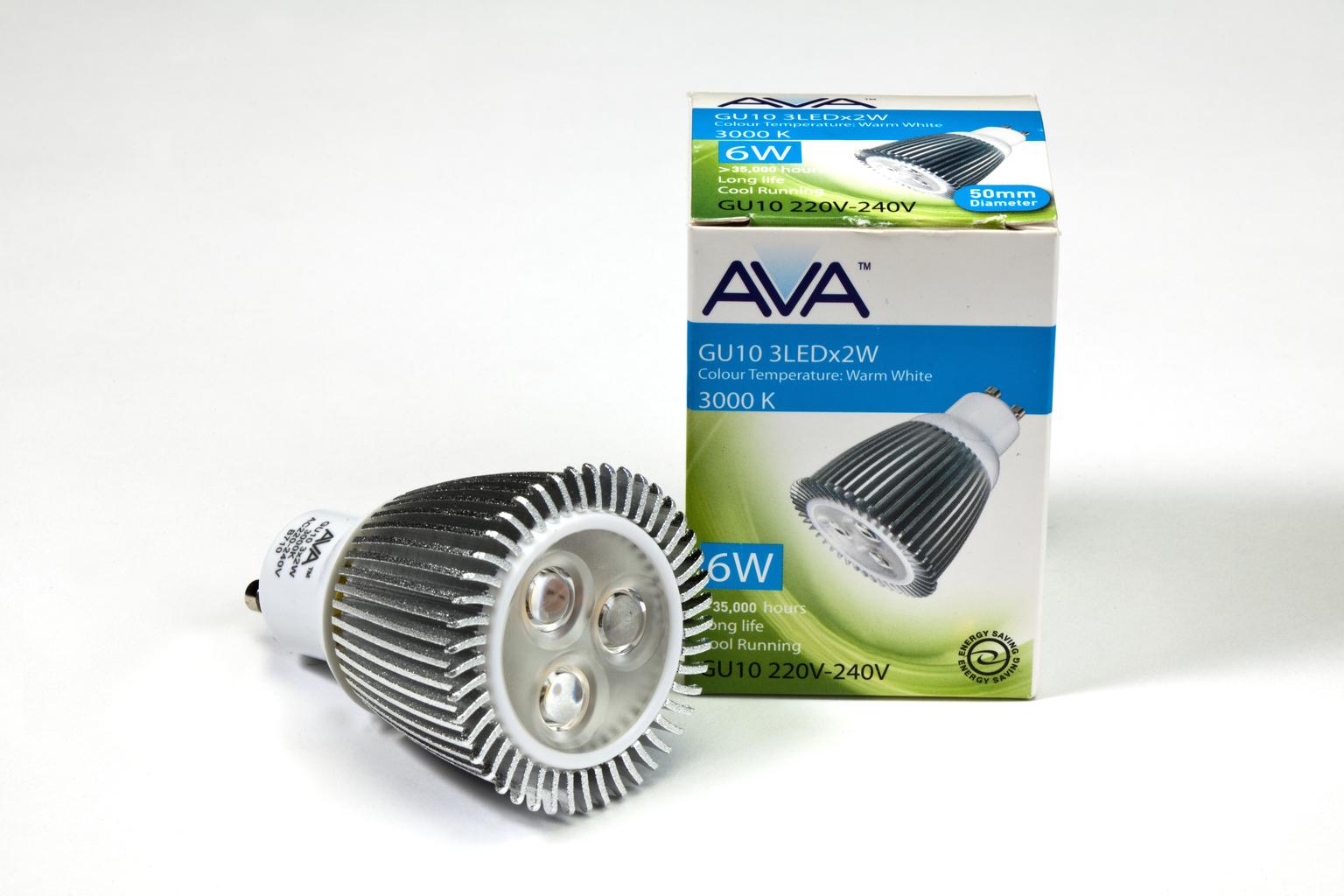
- Upgrade to LED Bulbs
Traditional incandescent bulbs are not only energy inefficient but also have a shorter lifespan. By switching to LED bulbs, you can save both energy and money. LED bulbs are more energy-efficient, last longer, and produce less heat, making them an excellent choice for lighting your home.
- Install a Programmable Thermostat
A programmable thermostat allows you to regulate your home’s temperature based on your schedule, reducing energy consumption when you’re away or asleep. While some smart thermostats can be pricey, basic programmable models are affordable and relatively easy to install. They can help you optimize your heating and cooling systems for efficiency.
- Use Energy-Efficient Appliances
When it’s time to replace appliances, consider investing in energy-efficient models. Appliances with the ENERGY STAR label meet strict efficiency guidelines set by the U.S. Environmental Protection Agency. While the initial cost might be slightly higher, the long-term savings on your utility bills will make it a worthwhile investment.
- Unplug Electronics When Not in Use
Many electronic devices continue to draw power even when turned off, contributing to “phantom” or “vampire” energy consumption. Unplug chargers, computers, and other electronics when not in use, or use smart power strips that automatically cut power to devices when they are turned off.
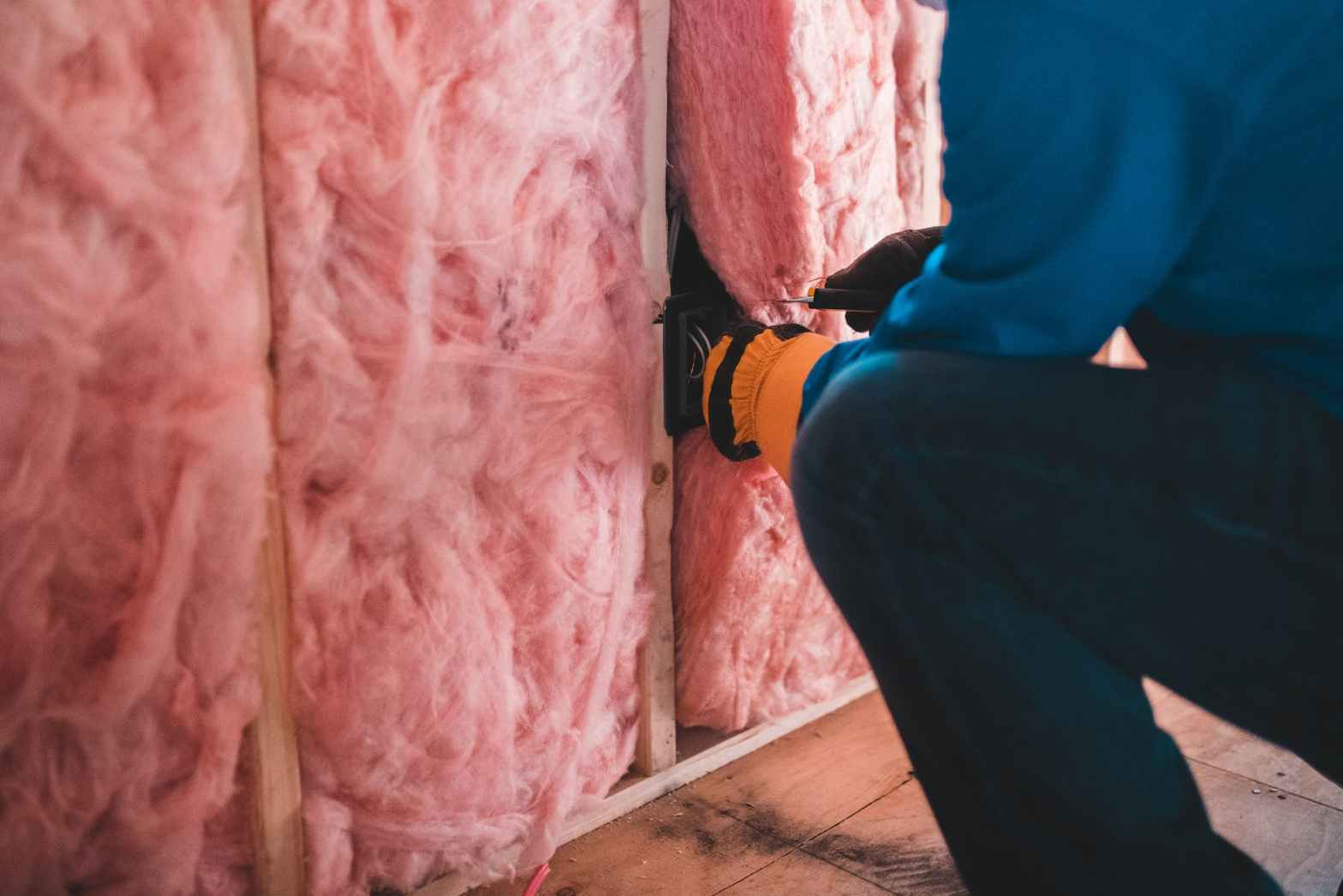
- Insulate Your Home
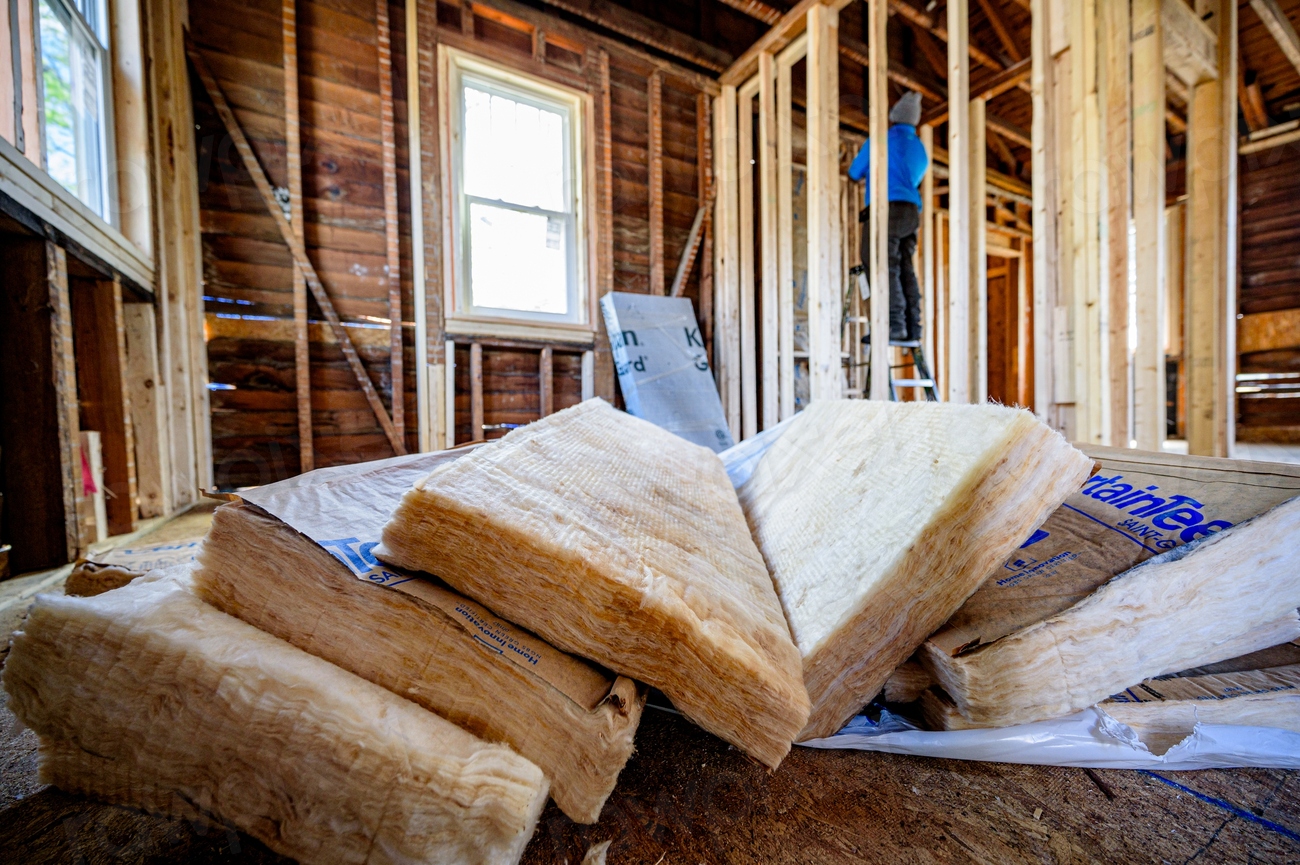
Proper insulation is essential for maintaining a comfortable temperature in your home while reducing the workload on your heating and cooling systems. While a full insulation retrofit can be a significant investment, there are affordable options, such as weatherstripping for doors and windows or adding insulation to the attic.
- Maximize Natural Light
Maximizing natural light in your home is not only a strategy for energy efficiency but also a transformative way to create a brighter, more inviting living space. During daylight hours, harnessing the power of sunlight can significantly reduce your reliance on artificial lighting, leading to energy savings and a more sustainable lifestyle.
Opening curtains and blinds allows the sun’s rays to permeate your living spaces. This simple action not only brightens rooms but also imparts a sense of warmth and connection to the outdoors. Sunlight is known to elevate mood and create a positive atmosphere, making your home a more pleasant place to reside.
As you explore ways to bring more natural light into your home, consider the eco-friendly option of installing solar tubes. These cylindrical devices are designed to capture and channel sunlight from the roof to interior spaces, even in areas where traditional windows may not be practical. Solar tubes are particularly effective in spaces like hallways, bathrooms, or closets, where additional natural light can make a substantial difference.
- Plant Shade Trees and Install Awnings
Strategic landscaping can contribute to energy efficiency. Planting shade trees or installing awnings can help block the sun’s rays, reducing the heat that enters your home during the summer months. This, in turn, can decrease your reliance on air conditioning.
Creating a more energy-efficient home doesn’t have to be a costly endeavor. By adopting these affordable and straightforward measures, you can contribute to a greener planet while enjoying long-term savings on your energy bills. Small changes add up, and collectively, the choices we make in our homes can have a positive impact on the environment and our wallets. Embrace these sustainable practices and take a step towards a more energy-efficient and eco-friendly lifestyle.
 EarthWise Permaculture