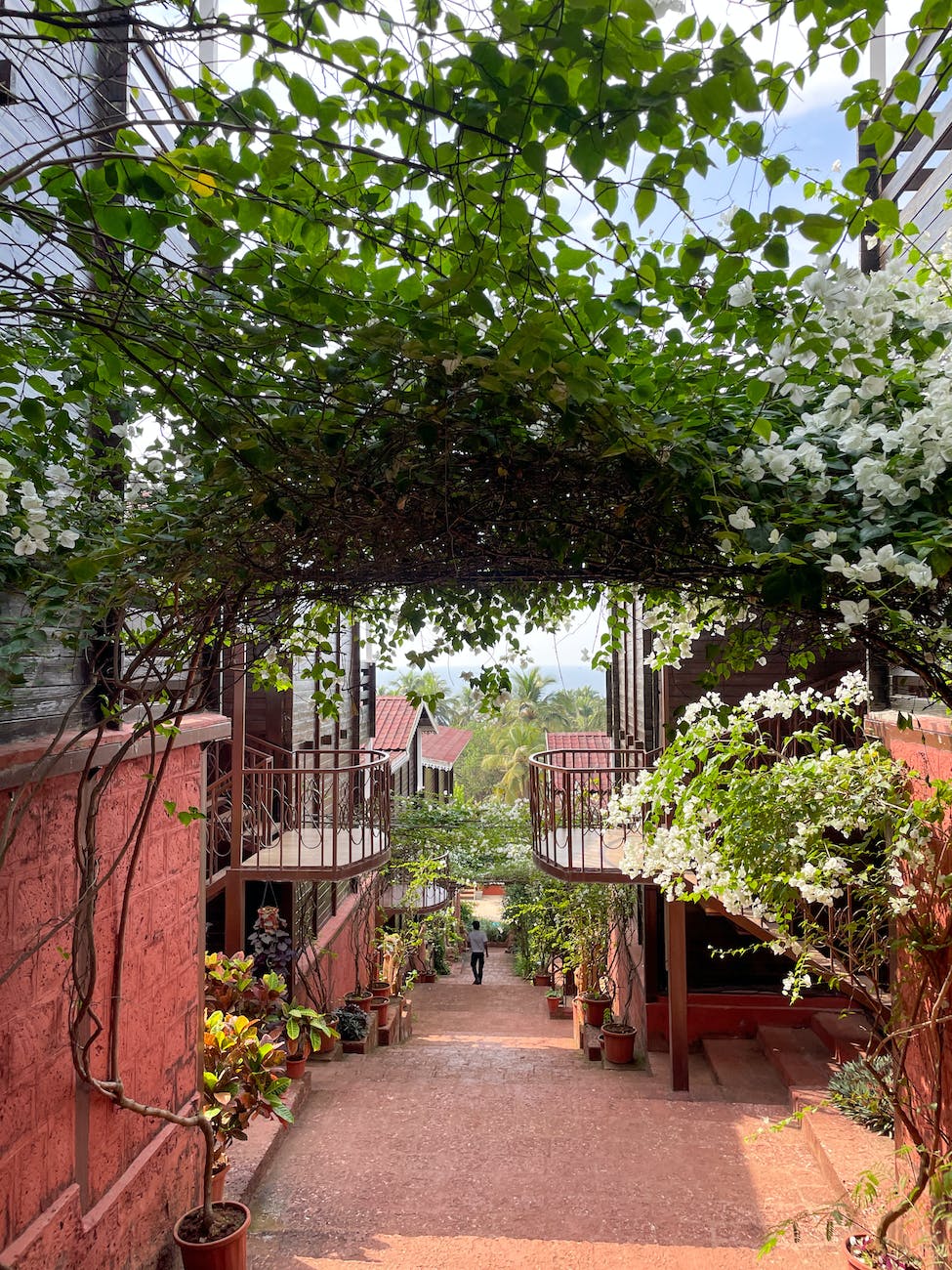
In the bustling urban landscape where space is a premium commodity, the dream of growing your own fresh, organic vegetables may seem like a distant reality. However, with the principles of permaculture, even the smallest of spaces can be transformed into thriving, sustainable gardens. Permaculture, derived from “permanent agriculture” or “permanent culture,” emphasizes working with natural ecosystems to create harmonious and self-sustaining environments. In this article, we’ll explore how to design a permaculture vegetable garden specifically tailored for small spaces, proving that even the tiniest urban nook can yield an abundance of nutrient-rich produce.
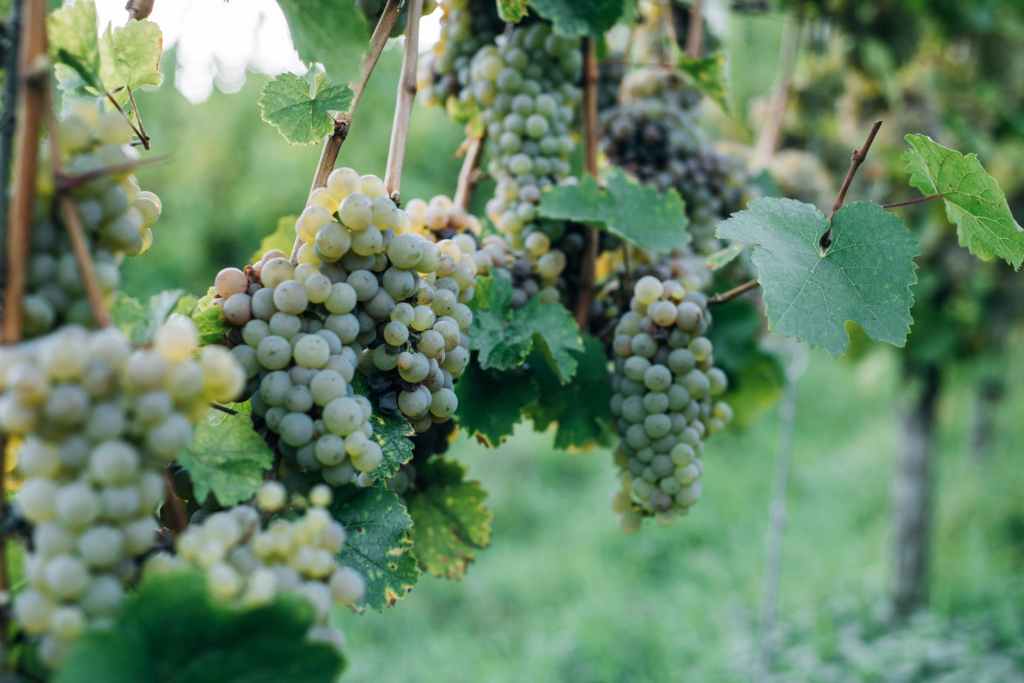
- Embrace Vertical Gardening:
In limited spaces, thinking vertically can significantly maximize your gardening potential. Utilize walls, fences, and trellises to grow climbing vegetables such as beans, peas, and cucumbers. Vertical gardening not only makes the most of your available space but also enhances air circulation, reducing the risk of diseases.
- Companion Planting for Space Optimization:
Permaculture principles highlight the importance of companion planting, a practice where certain plants benefit each other when grown in close proximity. Strategically pairing plants that complement each other in terms of growth habits, nutrient uptake, and pest control can create a thriving ecosystem in your small garden. For example, planting tomatoes with basil or marigolds can enhance flavor and deter pests.
- Designing with Zones:
In permaculture design, zones are areas organized by frequency of use and accessibility. By incorporating this concept into your small-space garden, you can efficiently allocate resources and design elements. Place frequently used and high-maintenance plants closer to your home for easy access, while less-tended plants can be located further away.
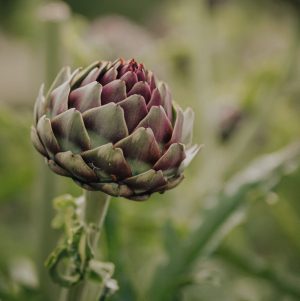
- Integrate Perennial Edibles:
Incorporating perennial vegetables into your garden can be a game-changer for small spaces. Perennials, such as asparagus, artichokes, and rhubarb, provide a consistent harvest year after year without the need for replanting. This not only saves space but also contributes to the overall sustainability of your garden.
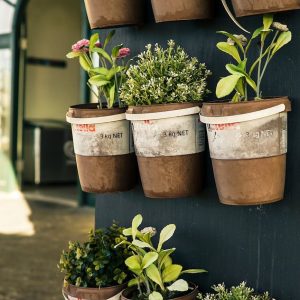
- Utilize Container Gardening:
Containers are a small-space gardener’s best friend. From repurposed containers to specially designed pots, they offer flexibility and mobility. Growing herbs, salad greens, and even compact fruit varieties in containers allows you to optimize sunlight exposure and easily rearrange your garden layout.
- Implement Water Conservation Techniques:
Water efficiency is crucial in any garden, especially in small spaces. Incorporate techniques like rainwater harvesting, mulching, and drip irrigation to minimize water wastage. Permaculture emphasizes the importance of working with nature, and efficient water use is a fundamental aspect of sustainable gardening.
Here are a couple of practical steps to make a small garden a reality:
- Assess Your Space:
- Take a close look at the available space. Consider factors such as sunlight exposure, wind patterns, and existing structures. Identify any potential challenges, like poor drainage or limited sunlight, and find ways to address them.
- Set Clear Goals:
- Define your gardening goals. Are you looking to grow vegetables, herbs, flowers, or a combination of these? Knowing your objectives will help you make informed decisions about plant selection, layout, and maintenance.
- Choose the Right Plants:
- Opt for plants that suit your space and climate. For small gardens, consider compact or dwarf varieties of vegetables and fruits. Herbs and flowers can also thrive in confined spaces. Look for plants that offer multiple benefits, such as those with edible leaves or flowers.
- Plan Your Layout:
- Sketch out a simple layout for your garden. Consider using raised beds, containers, or vertical structures to maximize space. Group plants with similar water and sunlight needs together. This not only makes maintenance easier but also promotes better growth.
- Utilize Vertical Space:
- Remember to take advantage of vertical gardening techniques to maximize your space. Install wall-mounted planters, hanging baskets, or trellises for climbing plants. This not only adds visual interest but also expands your growing area.
- Container Gardening:
- If you have limited ground space, container gardening is a fantastic solution. Use pots, planters, or even repurposed containers to grow your plants. This approach allows you to easily move plants around to optimize sunlight and experiment with different layouts.
- Soil Preparation:
- Invest time in preparing quality soil. Use a well-balanced potting mix for container gardening or enhance your garden soil with organic matter. Good soil health is crucial for plant growth, and it also improves water retention and drainage.
- Watering System:
- Establish an efficient watering system. Consider using drip irrigation, soaker hoses, or even self-watering containers to conserve water and ensure that your plants receive consistent moisture. Also, remember that mulch is your friend!
- Start Small and Expand:
- If you’re new to gardening or working with a particularly small space, start with a manageable area. As you gain experience and confidence, you can gradually expand your garden. This approach helps you learn about the specific needs of your plants without feeling overwhelmed.
- Regular Maintenance:
- Dedicate time for regular maintenance tasks such as weeding, pruning, and fertilizing. Small gardens can quickly become overcrowded, so staying on top of these tasks ensures a healthy and productive space.

Remember, the key to success is to start small, stay adaptable, and enjoy the process. Gardening is a journey that unfolds over time, and with patience and dedication, you’ll transform your small space into a flourishing garden oasis.
Designing a permaculture vegetable garden for small spaces is not just a practical solution; it’s a creative and fulfilling endeavor. By embracing vertical gardening, companion planting, strategic zoning, perennial edibles, container gardening, and water conservation, you can transform your limited space into a thriving oasis of fresh, organic produce. With permaculture principles as your guide, the possibilities for cultivating abundance in even the smallest spaces are endless. So, roll up your sleeves, grab your gardening tools, and embark on a journey to create a sustainable, edible haven right in the heart of your urban environment.
 EarthWise Permaculture