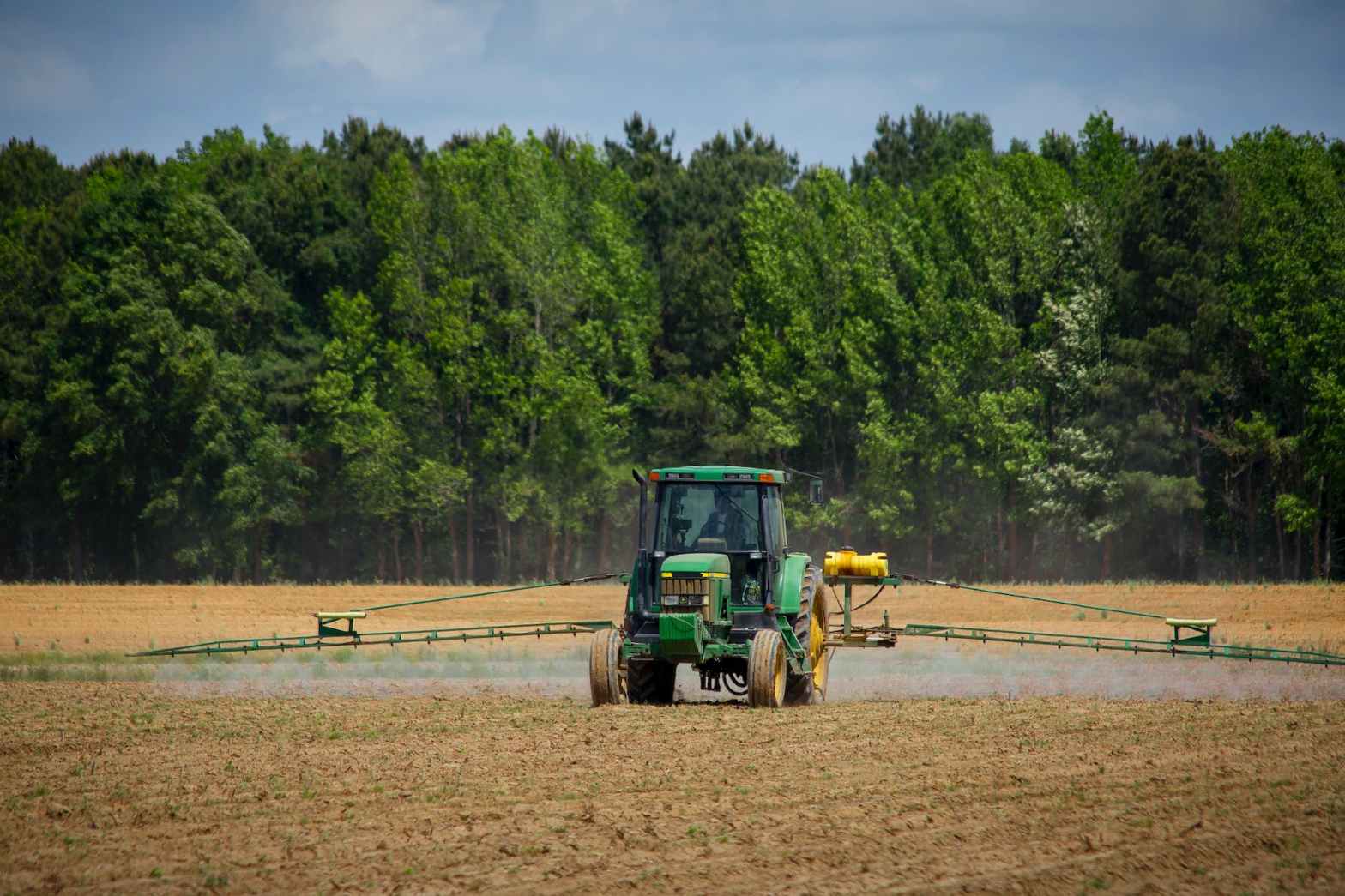
In the realm of modern agriculture, the herbicide glyphosate and its most popular formulation, Roundup, have become pervasive tools for farmers worldwide. Marketed as efficient and environmentally friendly, these products have revolutionized weed control. However, recent scientific evidence is shedding light on the potential health risks associated with glyphosate and Roundup, raising concerns about their impact on human well-being.
Glyphosate and Roundup: A Brief Overview:
Glyphosate, a broad-spectrum herbicide, was first introduced by Monsanto in the 1970s and gained popularity with the release of Roundup in the 1970s. The herbicide works by inhibiting an enzyme crucial to plant growth, ultimately leading to the death of unwanted vegetation. The ease of use and effectiveness made Roundup the go-to solution for weed control in agriculture, landscaping, and even home gardening.

Health Concerns:
- Carcinogenicity: One of the most significant controversies surrounding glyphosate is its potential link to cancer. In 2015, the International Agency for Research on Cancer (IARC), a branch of the World Health Organization (WHO), classified glyphosate as a Group 2A probable human carcinogen. This classification ignited a storm of debate and spurred further research into the herbicide’s long-term effects on human health.
- Endocrine Disruption: Research suggests that glyphosate may disrupt the endocrine system, which regulates hormones critical for normal growth, development, and overall health. Endocrine disruption has been associated with a range of health issues, including reproductive problems, developmental delays, and hormonal imbalances.
- Genotoxicity: Some studies indicate that glyphosate and Roundup may possess genotoxic properties, potentially causing damage to the genetic material within cells. This raises concerns about the long-term consequences, including an increased risk of genetic mutations and, subsequently, the development of various health conditions.
- Impact on the Gut Microbiome: Glyphosate’s pervasive use in agriculture has led to its detection in various food products. Recent studies have suggested that glyphosate may negatively impact the gut microbiome, the collection of trillions of microorganisms that play a crucial role in digestion, immunity, and overall well-being. Disruptions to the gut microbiome have been linked to a range of health issues, including inflammatory bowel diseases and metabolic disorders.
In light of the growing concerns, several countries and municipalities have taken regulatory actions. Some have banned or restricted the use of glyphosate, while others have imposed tighter regulations on its application. Despite these measures, glyphosate continues to be widely used, necessitating ongoing research and public awareness.
Embracing Eco-Friendly Alternatives: A Shift Towards Healthier Agricultural Practices
As concerns surrounding the health risks associated with glyphosate and Roundup continue to escalate, the spotlight is turning towards eco-friendly alternatives that prioritize both the health of consumers and the environment. Sustainable agriculture practices offer a promising path forward, reducing reliance on chemical herbicides like glyphosate. Here are some noteworthy alternatives:

- Mechanical Weed Control: Implementing mechanical methods, such as mulching, and mowing, can effectively manage weed growth without resorting to chemical interventions. These methods not only help control unwanted vegetation but also promote soil health and biodiversity.
- Organic Farming Practices: The organic farming movement emphasizes the use of natural alternatives, eschewing synthetic chemicals. Organic farmers employ techniques like crop rotation, cover cropping, and companion planting to naturally suppress weed growth, maintaining soil fertility without compromising human health.
- Cover Crops: Planting cover crops, such as legumes and grasses, can naturally suppress weed growth by outcompeting them for resources. Cover crops also enhance soil structure, fertility, and water retention, contributing to overall agricultural sustainability.
- Natural Herbicides: Some natural substances, like acetic acid (found in vinegar), citrus oils, and plant-derived essential oils, exhibit herbicidal properties. While their effectiveness may vary, these substances offer a greener alternative for weed control.
- Weed-Suppressing Ground Covers: Planting ground covers that naturally suppress weed growth, such as certain varieties of clover or low-growing herbs, provides an eco-friendly solution to weed control. These plants create a natural barrier, reducing the need for synthetic herbicides.
By embracing these eco-friendly alternatives, farmers can foster a more sustainable and resilient agricultural system. Consumers, in turn, play a crucial role in supporting these practices by choosing products that adhere to environmentally conscious farming methods. Through a collective effort, we can cultivate a healthier, more sustainable future for agriculture—one that prioritizes human well-being and the preservation of our planet’s precious ecosystems.
Check out this page for more information!
 EarthWise Permaculture