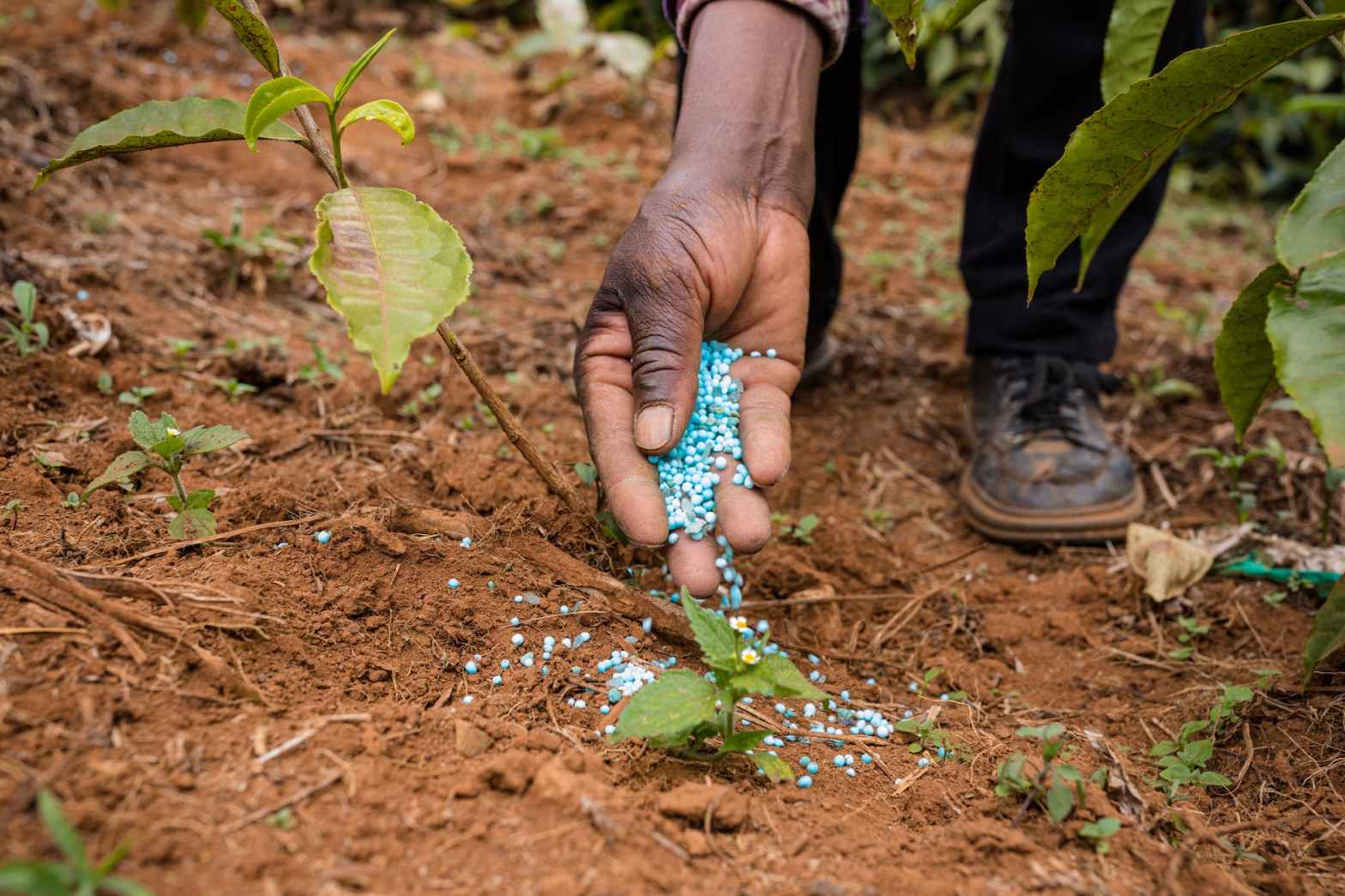
There exists a pervasive misconception that lush and vibrant plants can only thrive with the help of synthetic fertilizers. However, a closer look at nature’s intricate balance reveals that most gardens inherently possess an abundance of nutrients, rendering artificial fertilizers unnecessary. In fact, relying on these chemicals can disrupt the delicate ecosystem of soil life. This article aims to shed light on why many gardens don’t lack nutrients and explore sustainable alternatives that promote a healthy soil life ecosystem.

The Nutrient-Rich Soil Myth
Contrary to popular belief, the soil in most gardens is not inherently lacking in nutrients. Mother Nature has developed an intricate system where organic matter, decomposed plant material, and microbial activity work together to create a nutrient-rich environment. In healthy soils, the natural decomposition of plant debris, the activity of beneficial microorganisms, and the presence of earthworms contribute to a self-sustaining cycle of nutrient availability.
The Downside of Synthetic Fertilizers
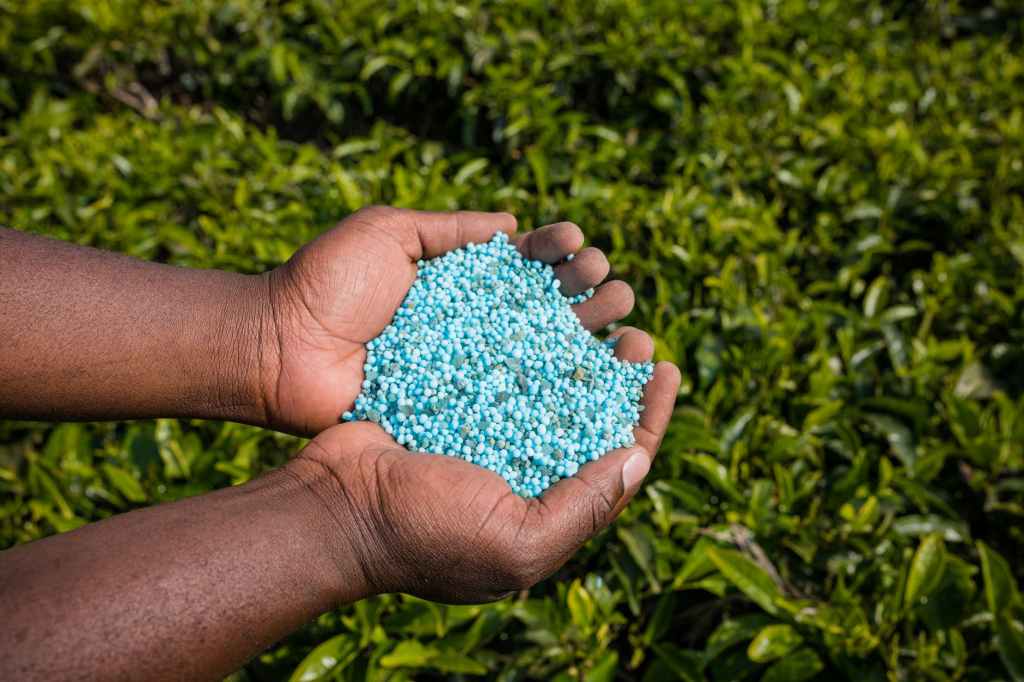
The use of chemical fertilizers, while providing a quick infusion of essential nutrients to plants, comes with a host of downsides that can have long-term detrimental effects on both soil health and the broader environment. Understanding these drawbacks is crucial for gardeners and agricultural practitioners seeking sustainable and ecologically sound alternatives.
- Disruption of Soil Microbial Activity: One of the primary drawbacks of chemical fertilizers is their negative impact on soil microbial life. These fertilizers often contain high levels of salts, which can be harmful to the beneficial microorganisms essential for nutrient cycling and plant health. Over time, the disruption of microbial communities can lead to a decrease in soil fertility, compaction, and impaired water retention.
- Soil Acidification: Many chemical fertilizers, especially those containing ammonium-based nitrogen, contribute to soil acidification. The acidifying effect can alter the pH of the soil, making it less hospitable for certain plant species and beneficial soil organisms. Soil pH imbalance can hinder nutrient uptake by plants and contribute to the degradation of soil structure.
- Erosion and Runoff: Chemical fertilizers are soluble and can be easily washed away by rain or irrigation, leading to nutrient runoff. This runoff poses a serious environmental threat as it can contaminate water bodies, causing nutrient imbalances and contributing to issues like algal blooms. The runoff of chemicals into water sources can harm aquatic ecosystems and compromise water quality.
- Environmental Pollution: The production, transportation, and application of chemical fertilizers contribute to environmental pollution. The manufacturing process often involves the use of energy-intensive methods, and the release of greenhouse gases during production contributes to climate change. Additionally, the runoff of fertilizers into water bodies can lead to nutrient pollution, negatively impacting ecosystems and aquatic life.
- Soil Compaction: Continuous reliance on chemical fertilizers without complementary organic matter can lead to soil compaction. This reduction in soil porosity limits water infiltration and root growth, making it more challenging for plants to access water and nutrients. Healthy soils with a diverse array of organic matter, on the other hand, maintain better structure and aeration.
- Reduced Plant Resilience: Plants grown with excessive chemical fertilizers may become dependent on these external inputs. This dependency can make them more vulnerable to environmental stressors, such as drought or pest infestations, as they may lack the natural resilience and adaptability that comes from a well-balanced, diverse soil ecosystem.
- Long-Term Soil Degradation: The continued use of chemical fertilizers without a holistic approach to soil management can lead to long-term degradation of soil health. As soil fertility declines and microbial diversity decreases, the need for even higher doses of fertilizers may arise, creating a cycle of diminishing returns and escalating environmental impact.
In light of these downsides, there is a growing emphasis on transitioning towards sustainable and regenerative agricultural practices that prioritize soil health, biodiversity, and long-term ecological balance. Methods such as organic farming, permaculture, and agroecology offer viable alternatives that nourish the soil without compromising environmental integrity.
Promoting a Healthy Soil Life Ecosystem:

- Composting: Embracing composting is one of the most effective ways to enhance soil fertility naturally. Compost, made from kitchen scraps, yard waste, and other organic materials, is rich in nutrients and acts as a slow-release fertilizer. It also helps improve soil structure, water retention, and provides a habitat for beneficial microbes.
- Cover Cropping: Cover crops, such as legumes and clover, play a crucial role in maintaining soil health. They prevent erosion, suppress weeds, and, through a process called nitrogen fixation, add essential nutrients like nitrogen back into the soil. Cover cropping is a sustainable practice that promotes biodiversity and supports the overall health of the garden ecosystem.
- Mulching: Mulching not only conserves moisture and suppresses weeds but also contributes to soil fertility. Organic mulches, such as straw or wood chips, gradually break down, releasing nutrients into the soil. Additionally, mulch provides a favorable environment for beneficial insects and microorganisms.
- Crop Rotation: Regularly rotating crops helps prevent nutrient depletion in the soil. Different plants have varying nutrient requirements, and rotating them helps maintain a balanced nutrient profile in the soil, reducing the need for external inputs.
- Natural Amendments: Utilizing natural amendments like bone meal, kelp meal, and rock dust can supplement soil nutrients without the negative impacts associated with synthetic fertilizers. These amendments release nutrients slowly, providing a steady and sustained nourishment to plants.
The myth that most gardens lack essential nutrients is debunked by the intricate and self-sustaining soil ecosystems that exist in nature. By adopting sustainable practices like composting, cover cropping, mulching, crop rotation, and natural amendments, gardeners can work with the inherent fertility of their soil, fostering a thriving and resilient ecosystem. It’s time to shift away from the reliance on synthetic fertilizers and embrace methods that promote long-term soil health, environmental sustainability, and bountiful harvests.
 EarthWise Permaculture