
Permaculture is a holistic approach to designing sustainable systems that mimic the patterns and relationships found in nature. It offers a framework for understanding how to meet our needs while also regenerating the earth and its resources.
Permaculture is a combination of the words “permanent” and “agriculture,” but it encompasses much more than just farming. It is a design philosophy that can be applied to any aspect of our lives, including food production, housing, energy, water management, and community building.
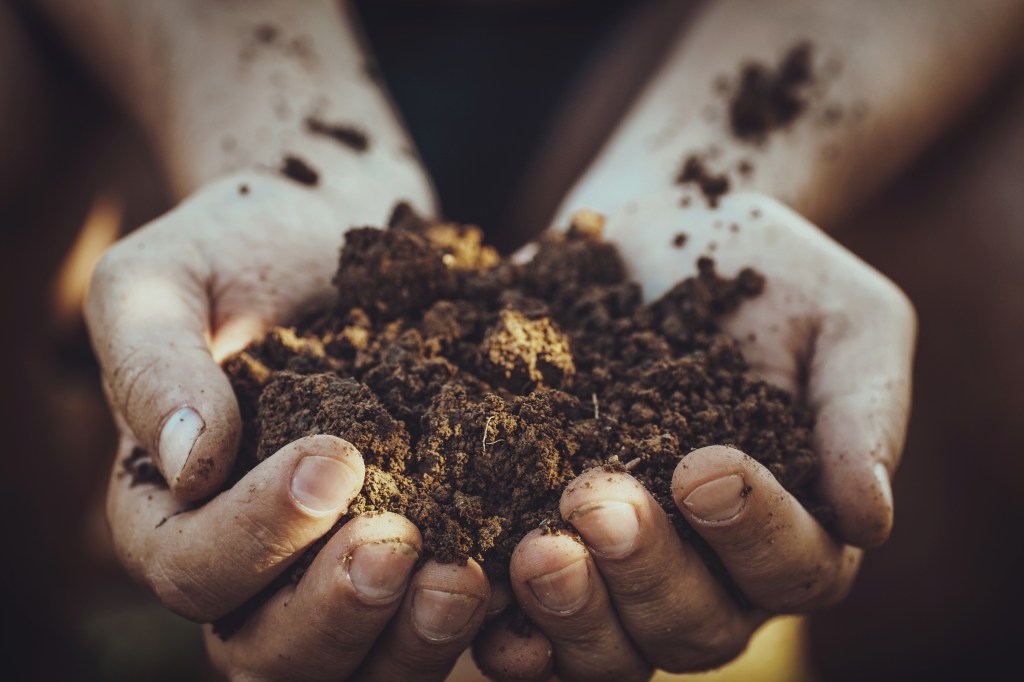
“The conscious design and maintenance of agriculturally productive ecosystems which have the diversity, stability, and resilience of natural ecosystems.”
— Bill Mollison
Permaculture is based on three core ethics: care for the earth, care for people, and fair share. These ethics guide the design process and inform the decision-making process. The goal is to create systems that are not only sustainable but regenerative, meaning they improve the overall health and productivity of the ecosystem.
One of the key principles of permaculture is working with, rather than against, nature. This means observing natural systems and patterns and designing our systems to mimic and enhance them. For example, in a permaculture garden, we would plant companion plants that benefit each other, rather than using chemical pesticides. We would also design the garden to capture and store water, rather than relying on irrigation.
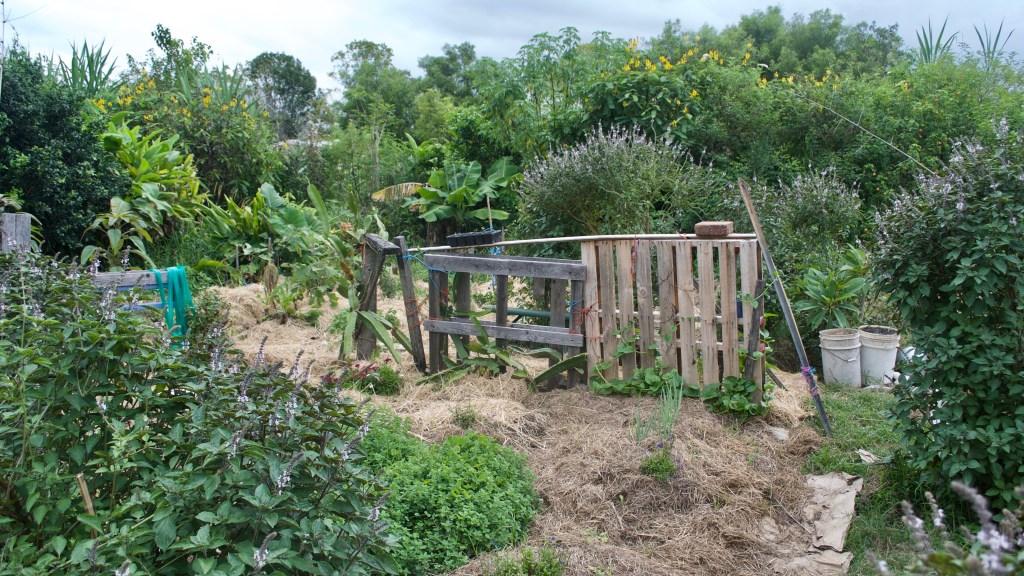
“Consciously designed ecosystems, which mimic patterns and relationships found in nature, while yielding an abundance of food, fiber, and energy for provision of local needs.”
— David Holmgren
Another important principle is diversity. In permaculture, we strive to create systems that are diverse and resilient. This means planting a variety of crops, rather than monoculture, and incorporating different elements, such as animals, into the system. A diversity of species means a diversity of functions, which helps to build a resilient ecosystem.
Permaculture also stresses the importance of using and valuing local resources. This means using local materials and local knowledge to design and implement systems. By valuing local resources, we can create systems that are not only sustainable but also have a strong cultural connection.
Permaculture is not just about gardening or farming, it’s about creating sustainable systems in all aspects of our lives. It’s about designing our homes, communities, and businesses to be in harmony with nature. It’s about creating systems that not only meet our needs but also enhance the earth and its resources. Permaculture is about creating a sustainable future for all.
 EarthWise Permaculture